SHAULICHI
The Tragedy
On the morning of 7 July 1943, during a punitive operation, the Nazis shot 366 people, including 120 children, and burned 77 houses. The village did not recover after the massacre, which is why it is often called the "younger sister of Khatyn".
Local accounts also note that the attack was followed by mass grief in nearby villages and that relatives later returned to find only ashes and chimney remains.
Shaulichi · then and now
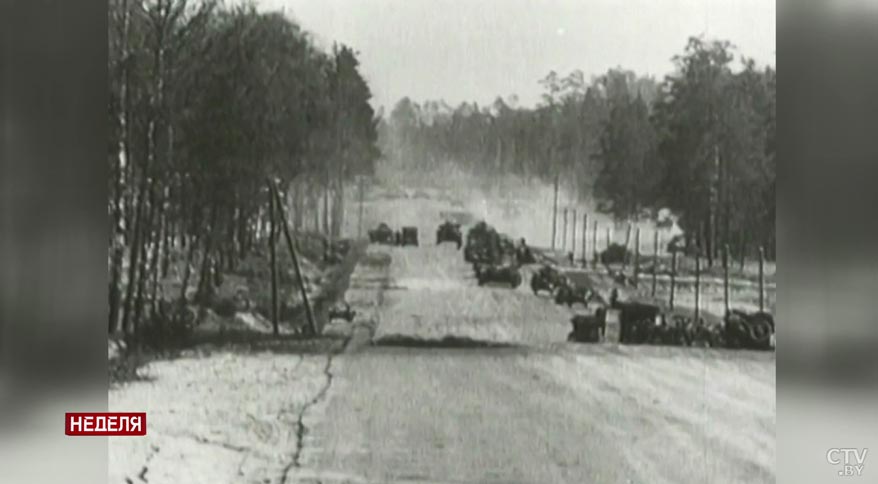
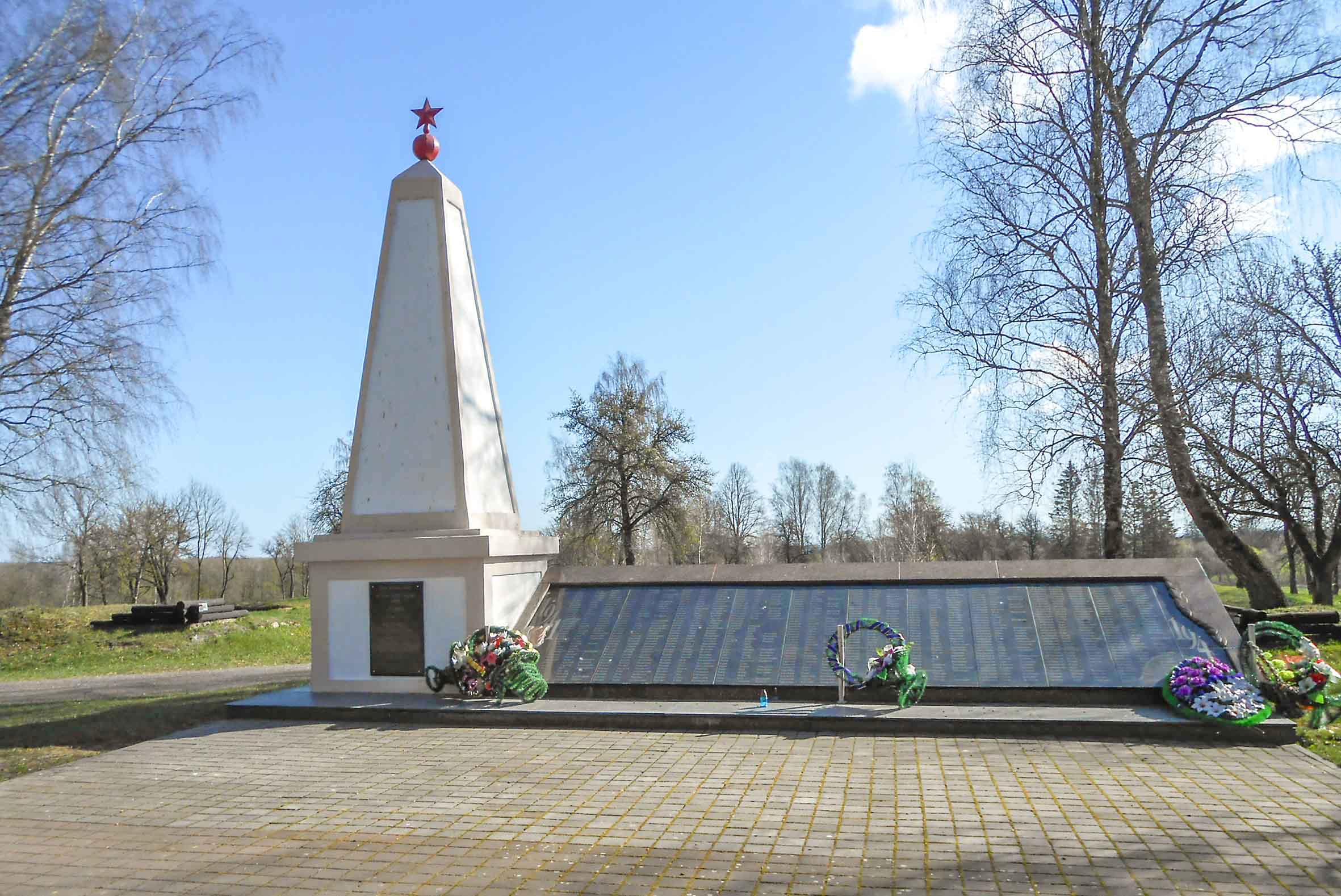
Voices of survivors and witnesses
Aftermath and memory
Memory of the tragedy was first marked in 1954, when the main four‑sided obelisk was installed; the victims’ names are carved on marble plaques.
The memorial was later updated: on the sites of the burned houses, 46 wooden symbolic log frames were added, each with plaques showing house numbers and family names, and a 62‑kilogram bronze bell was placed at the heart of the memorial. Annual remembrance events are still held there.